2026-10-24 ·
Step-by-Step Guide to Spotting Dust in Your Home's Return Vents
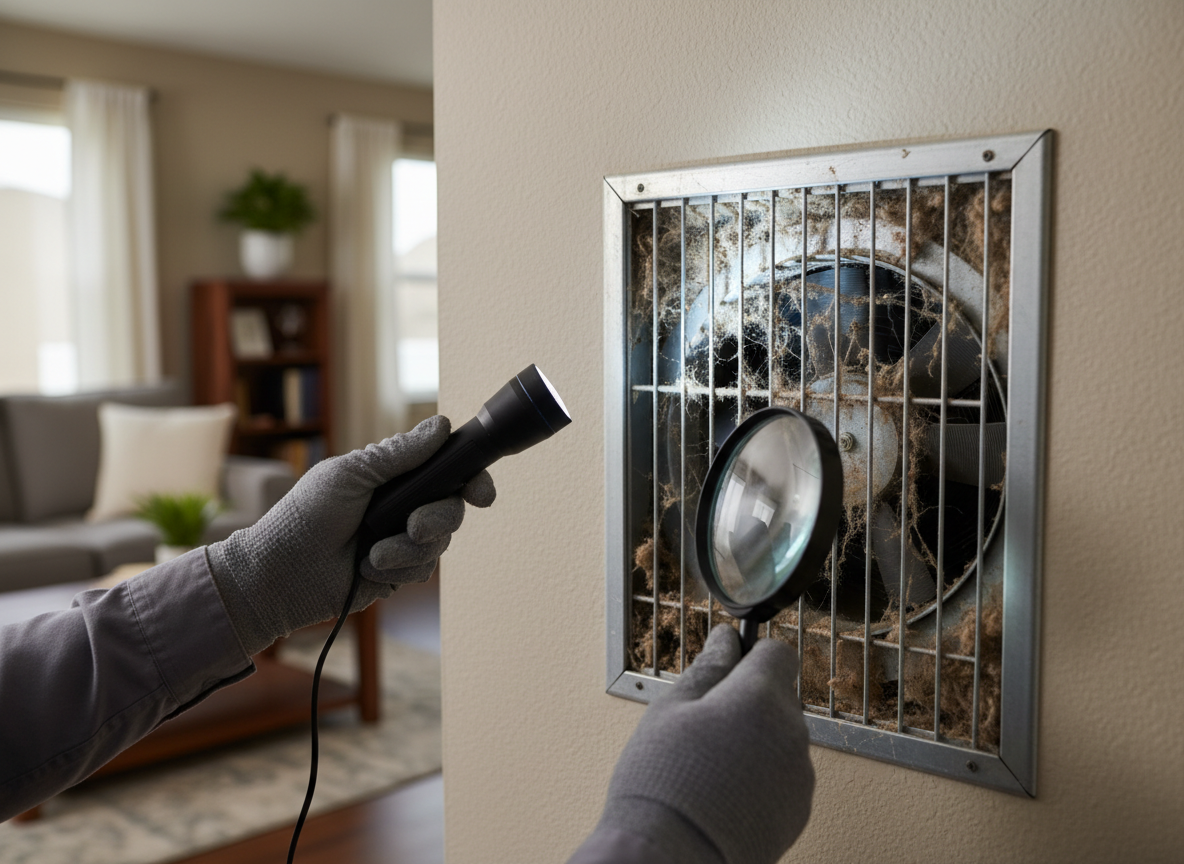
Gresham homes in neighborhoods such as Rockwood and Downtown often show visible dust in return vents within 4-8 months after a wet winter, when occasional flooding near Gresham Pioneer Cemetery and Mt. Hood Community College stirs fine particles into the air that then enter HVAC systems.
Preparing Your Inspection Tools and Timing
Walk through your home during daylight hours when the furnace or AC is running to observe actual airflow. Gather a flashlight, a clean white cloth, and a screwdriver for vent covers. In Multnomah County, schedule checks right after the rainy season ends because moisture from wet winters can bind dust to vent surfaces in ways dry summers do not. Older single-story homes near 786 NE Burnside Rd commonly have return vents mounted low on walls or in hallways, making them easier to reach than ceiling returns found in newer builds. Turn off the system at the thermostat first so loose debris does not get pulled deeper into the ducts while you work.
Checking for Visible Dust Layers on Grilles
Remove the vent cover and shine your flashlight across the metal slats at an angle to reveal fine gray or brown particles. In Gresham’s Rockwood area, homes built before 1980 frequently collect thicker layers because original ductwork has more seams where dust settles. Wipe one slat with the white cloth; if the cloth shows a distinct streak after one pass, the accumulation exceeds normal household levels. Compare the color to dust found on nearby furniture—duct dust often appears darker due to mixing with outdoor soil tracked in during mild summers. Repeat this check on at least three return vents located in different rooms to confirm the pattern is system-wide rather than isolated.
Testing Airflow Strength at Each Return
Hold a single sheet of paper against the vent opening while the system runs on high. Strong suction should pull the paper flat within two seconds; weaker pull indicates partial blockage from dust buildup. Portland commuters who live in Gresham notice this reduced airflow most during summer wildfire season when extra particles enter through open windows. Measure the time it takes for the paper to stick on three separate returns and average the results. Homes near Mt. Hood Community College with longer duct runs to the furnace typically show slower suction when dust restricts the first few feet of return ducting.
Looking for Streaks or Discoloration on Surrounding Walls
Examine the drywall or trim immediately above or beside the return vent for dark vertical lines. These streaks form when air is forced around clogged filters or dusty returns, carrying particles onto painted surfaces. In areas like Downtown Gresham that experience occasional winter flooding, moisture can darken these marks further, signaling both dust and humidity issues. Use your flashlight to check the inside edges of the vent frame where light-colored dust often contrasts with the wall. If streaks appear on multiple returns, the pattern points to consistent negative pressure pulling unfiltered air from living spaces.
Documenting Findings Before Scheduling Service
Photograph each vent from the same distance and note the date, room, and any visible measurements such as dust layer thickness on a ruler. Keep these records to track changes after the next wet winter. Residents in Multnomah County often discover that dust levels increase noticeably when nearby construction or leaf debris from mild summers enters through unsealed returns. Compare your photos to the same vents checked six months earlier to see whether accumulation is accelerating. This documentation helps when discussing options such as residential air duct cleaning or reviewing factors that influence air duct cleaning costs in Gresham.
Connecting Dust Signs to Local Weather Patterns
Wet winters followed by dry summers create cycles where dust first settles during rain events and then becomes airborne again when heating systems start. Homes near the Gresham Pioneer Cemetery often sit on slightly lower ground that collects extra moisture, allowing dust to cling inside return ducts longer than in drier parts of Portland. Check vents again two weeks after the first cold snap to see how quickly new layers form. This seasonal timing explains why return vent inspections reveal more in Gresham than in areas with steadier year-round weather.